
Mass Exodus
How 1979's The Amityville Horror Pushed The Catholic Church Off Its Pedestal

It was the era of Billy Beer, the gas crisis, and Three Mile Island. Faith was in short supply. There was good stuff, too, but any year that sees Margret Thatcher rise to power isn’t what I would describe as a real humdinger.
At the movies - my church, if you will - a ticket would cost you around $2.50 and the top film of the year was a holdover from 1978’s Christmas season, Richard Donner’s Superman. And #2? Why that would be two hours of complete bullshit made up by an ardent grifter and his collaborator, an author desperately looking for a hit. It was called The Amityville Horror. That novel’s film adaptation was a sensation and everything that audiences were looking for as an escape from the financial and socio-political meltdown of the late 70s: bad real estate decisions, needing to heat your four-story home with one fireplace, finding clues in a microfiche machine, and James Brolin wanting to shag you on the same carpet another family was murdered on not 12 months prior. Pure cinema!
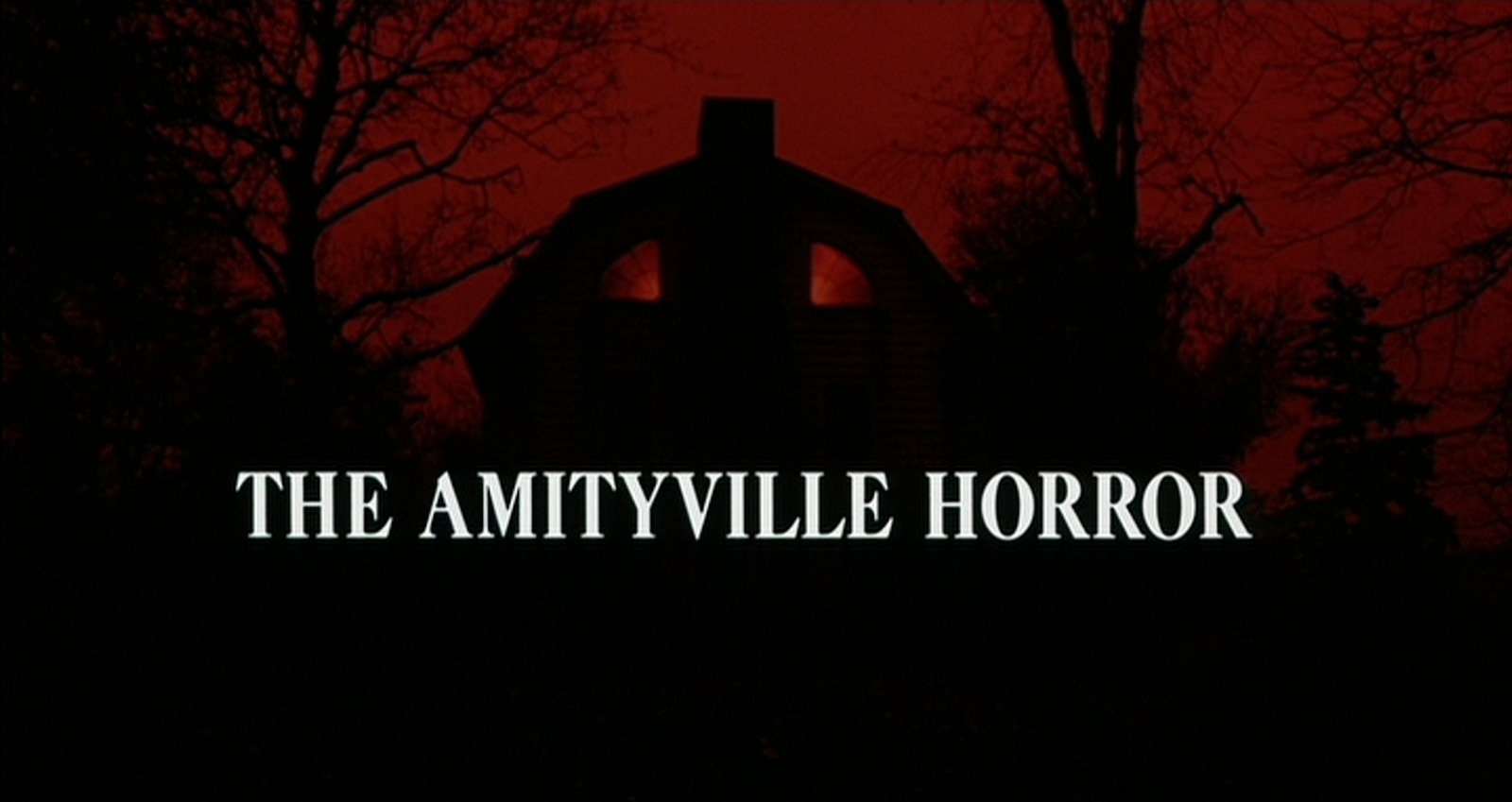
For me, the original Amityville is a true slog. It has high points, but it’s 119 minutes of watching George and Kathy Lutz realize what you’ve known since you saw the movie poster: they need to get out of that house. You’re just waiting for scary breezes to blow, walls to bleed, and Jody the Ghost Pig to slam some knuckles in the windowsill. Meanwhile, the movie’s most interesting idea sits in the backseat, patiently waiting for you to notice it amongst the hysterics: the Catholic Church is absolutely powerless here.
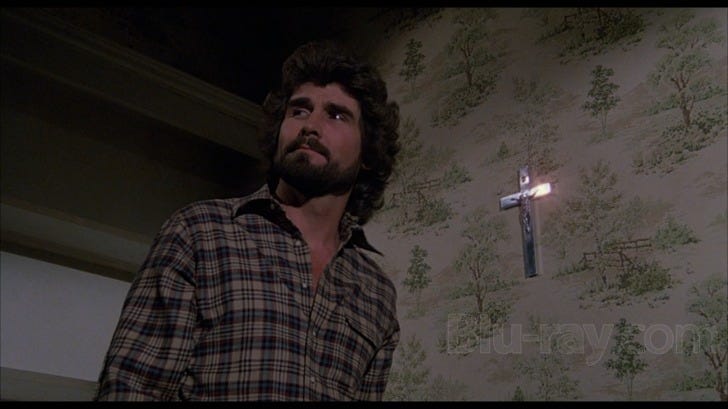
This is a big shift from 1973’s The Exorcist, where two priests won the day even as they lost their own lives to save a young girl from the grips of a filthy-mouthed demon. Father Karas (a brooding Jason Miller) and Father Merrin (Max Von Sydow under pounds of old age make-up) defied upper management and put their faith on the line to rescue a tween from a fate no doctor or technology could crack. Not since Boys Town had priests seemed so effective at changing lives.
The Amityville Horror scuttles the “Pope Gangs” power status almost immediately. Every remotely religious person who enters the house on Ocean Ave starts having a fit after 30 seconds. It’s either bad smells, putrid auras, or clouds of rancid flies once their feet cross the threshold - and none of them are willing to tell the Lutz’s about their reactions. I know this is hard to believe, but no priest or nun will cross the “thin sacramental line” and confess to Kathy or George that the house is evil. The movie uses these incidents as proof that something is rotten on Long Island, but in the end, these moments demonstrate that the church is paralyzed in the face of any actual challenge to its authority.
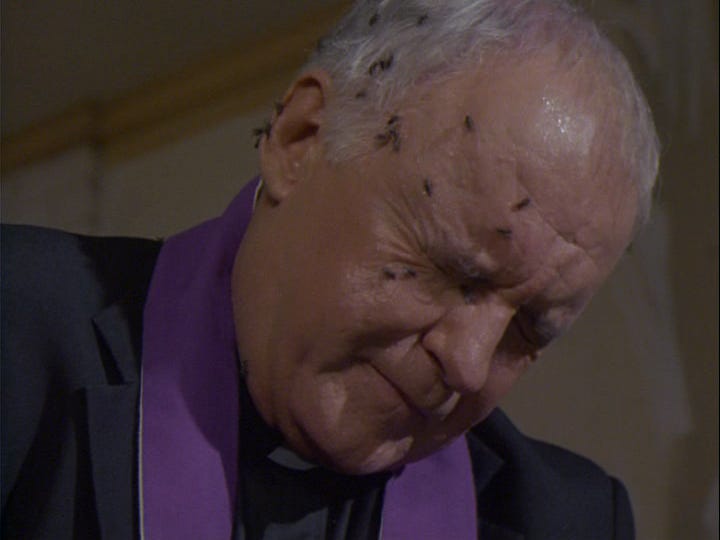
Kathy’s “sister nun” pukes her guts out after a brief visit in a moment that seems to be MAD Magazine bait. Rod Steiger’s Father Delaney can barely keep his veins inside his skin after his arrival to bless the home. Those arteries continue to bulge like he’s in the middle of psychic warfare in Scanners at every mention of the Lutz’s demonic domicile. And you know the shit has truly hit all the fans when cinema’s least trustworthy authority, Murray Hamilton, arrives. Should you reopen the beaches after that shark attack? Did you move the bodies and not just the headstones? Never believe Murray Hamilton when he tells you anything! If Murray says the milk is still good, never take a swig.
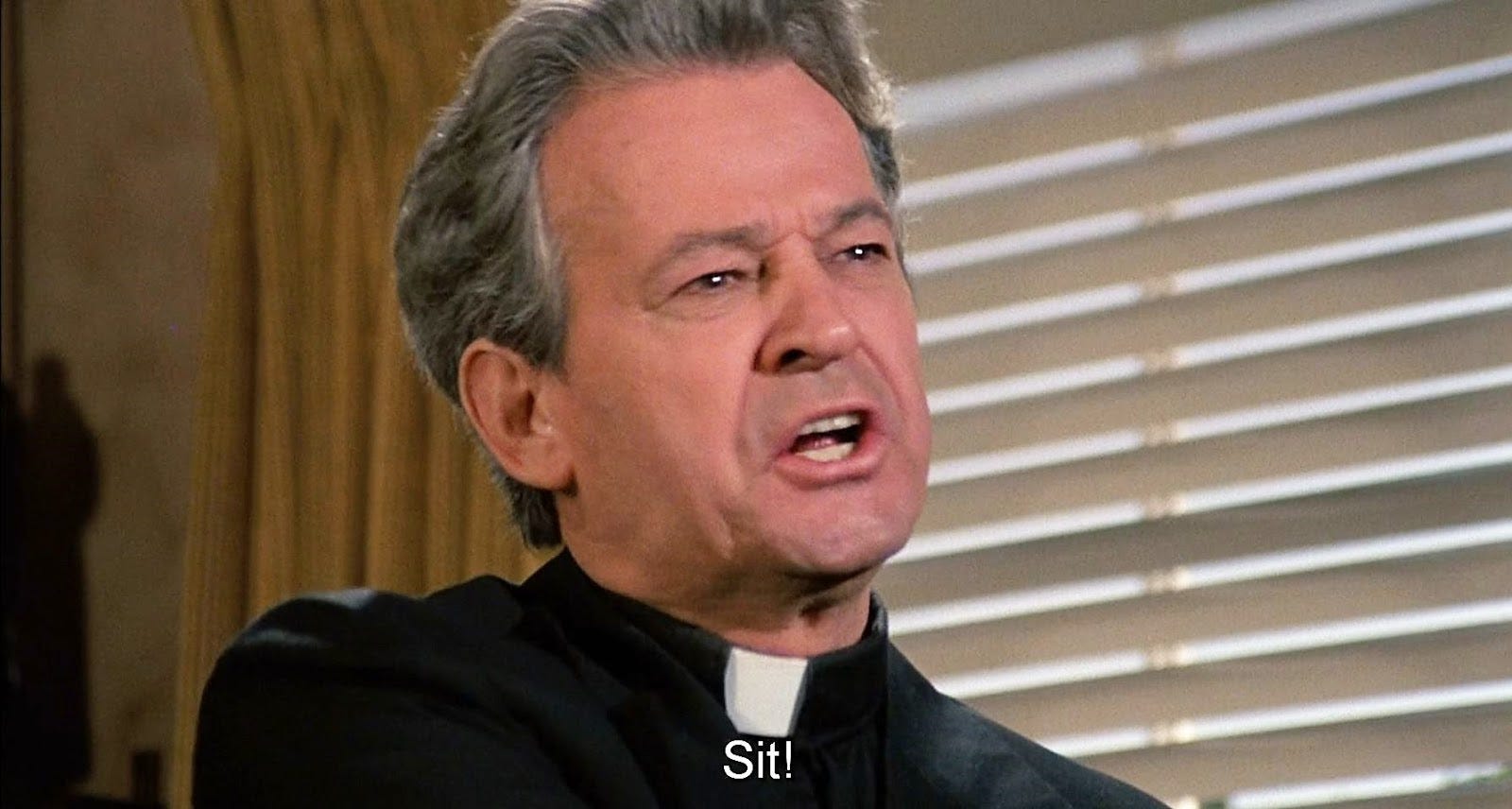
Hamilton’s big scene involves bullying Father Delaney into remaining mum about any ghostly goings-on in Amityville. “We’ve experienced plenty of phenomena before, and absolutely none of it was ever proved to be demonic.” For some reason, Steiger never counters this with a, “Let’s just stroll down to 112 Ocean Ave for tea and hellspawn convo, then.” I know this may prove hard to believe, but the movie shows a Catholic Church unwilling to open up when they know something bad is happening. Are your socks still on, or did that revelation just blow them off?
Stephen King does make a very solid case for the financial horror in the film in his nonfiction examination of the genre in Dance Macabre. We watch the house literally and figuratively steal cash and capital from the Lutz clan, something I felt more deeply once I miraculously ended up a homeowner myself in LA County. I never had a full-blown panic attack until I saw all those zeros lined up behind numbers on one sheet of paper. For my money, it still doesn’t hit as hard as the undercurrent that the most powerful institution in the world is powerless against one room in a basement painted red.
In the end, Brolin undoes his creeping possession by the spirit of a murderer by snapping out it. Kidder grabs everyone but the dog and slides down the blood-soaked stairs without any aid from the church. Rod Steiger ends up eating lunch by the shore at his swanky new Home For Priests Who Don’t See Good (And Want To Do Other Things Good). Catholicism proved to be as good as any establishment in what would soon become Reagan’s America: what you should fear more than the problem itself.